

Updated: Jun 21, 2025

Indigo has captivated many with its deep, rich hue. But how is this intriguing color created? While many might think of indigo as just a dye, there’s an involved and intriguing process behind its production. Read on to explore the journey of indigo, from its origins to its modern-day significance, revealing the magic and mystery the that lies within this brilliant blue hue.
The Origins of Indigo
The plant is probably native to China, Asia and parts of Africa but the specific location is unclear as it has been in cultivation since 4000 BCE. The earliest records of indigo production trace back to ancient civilizations in India, where it was valued for both its vibrant color and its role in trade. By 2500 BCE, indigo was thriving, with evidence of dyeing techniques spread throughout India.
By the Middle Ages, 5th to 15th Centuries, indigo was a prized and important product in Europe and was worth many times the cost of other dyes, even saffron. Here, in the Southern colonies, cultivation boomed in the 18th century, eventually making it a hugely profitable crop for some landowners. Enslaved people in South Carolina were crucial to the profitable production of indigo. They performed all aspects of the production from planting, cultivation, harvesting, building the necessary infrastructure, extracting the dye. The profit from the production of indigo relied heavily on the exploitation of labor, skill and knowledge enslaved people. Today it is still a time intensive process but much of the labor is now mechanized.
The Source of Indigo
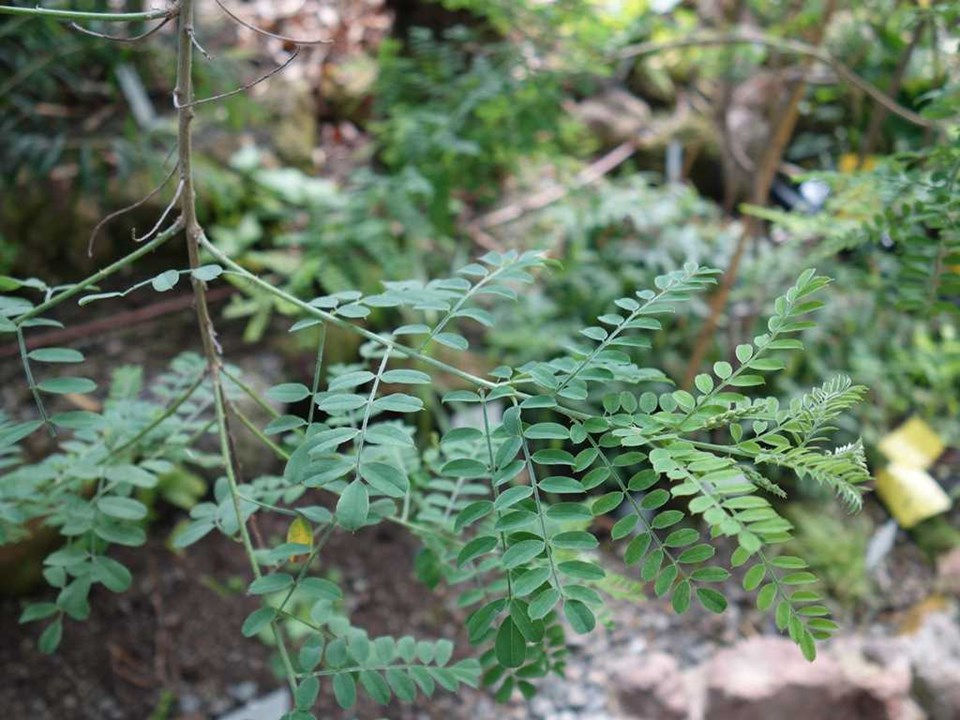
Indigofera tinctoria, also known as true indigo, is a deciduous shrub native to tropical and subtropical climates. Two species dominate the scene: Indigofera tinctoria and Indigofera suffruticosa. These plants contain glycosides that break down to form indigo dye.
The leaves of the Indigofera plant, each full of indican, a compound vital for dye production are harvested. It takes about 600,000 leaves to yield just a couple of pounds of indigo dye, illustrating the resource-intensive nature of this product.
The Extraction Process
The extraction of indigo is a difficult and surprising process, where small green leaves transform into a magnificent blue.
Harvesting and Fermentation: Leaves are harvested and soaked in water to ferment. This step is crucial as fermentation breaks the indican down into indoxyl. In traditional practices, this process can take up to days.
Aeration and Oxidation: Once fermentation is complete, the mixture is vigorously stirred to aerate it. This aeration allows the indoxyl to oxidize, producing indigo dye that settles at the bottom of the container.
Gathering the Dye: After the dye settles, the liquid is drained, and the remaining thick paste, known as "indigo cake," is collected and dried. A small scale operation can take more than 2 gallons of water to create a cup of indigo cake. A large scale operation might use 300 gallon tanks. This makes indigo one of the most resource and labor intensive dyes in the world.
Cultural Significance and Current Use
Indigo is not just a color; it holds profound cultural importance worldwide. In India, indigo dyeing is a celebrated traditional art form. Many artisans still employ age-old techniques that have been handed down through generations, keeping the craft alive.

In Africa, particularly in West Africa, indigo is seen as a spiritual color. The Yoruba and Tuareg communities use it in clothing worn during rituals and celebrations, making it integral to their identity. The color plays a role in significant events, embodying connections to the past.
In the United States, indigo has a deep historical association with the Gullah people. Descendants of enslaved Africans, they utilized indigo in their weaving and dyeing traditions. This connection adds layers to the narrative of indigo as a color representative of resilience and creativity.
Indigo dye has been, and continues to be used, as a fabric dye, in cosmetics, paints, cleaning wounds and now even in organic semiconductors for OLED displays and solar cells. They, unfortunately, do lack stability and can quickly be destroyed in an oxygenated environment.
Embrace the Rich History of Indigo
Indigo is a color rich with history, culture, and artistry. From the humble Indigofera plant to a dynamic dye steeped in tradition, the journey of indigo is as vibrant as the color itself.
Whether you are an artist, a textile designer, or simply love beautiful colors, understanding how indigo is crafted and the history behind it can add depth to your appreciation. The intricate processes, cultural importance and practices surrounding indigo ensure that this blue will continue to influence people for generations to come.
From ancient art forms to modern innovations, indigo remains a symbol of creativity and craftsmanship, weaving together tales of the past while coloring our present.


